Three weeks after Regulation (EU) 2025/2509 entered into force, the questions landing in our inbox follow a clear pattern: “What exactly is the Digital Product Passport?”, “Which chemicals are newly restricted?”, and “Do the rules apply to our online shop?” This article answers all three.
Part 1
Digital Product Passport
Part 2
Chemical restrictions
Part 3
E-commerce rules
Part 1 — The Digital Product Passport: what it is and what it is not
Definition
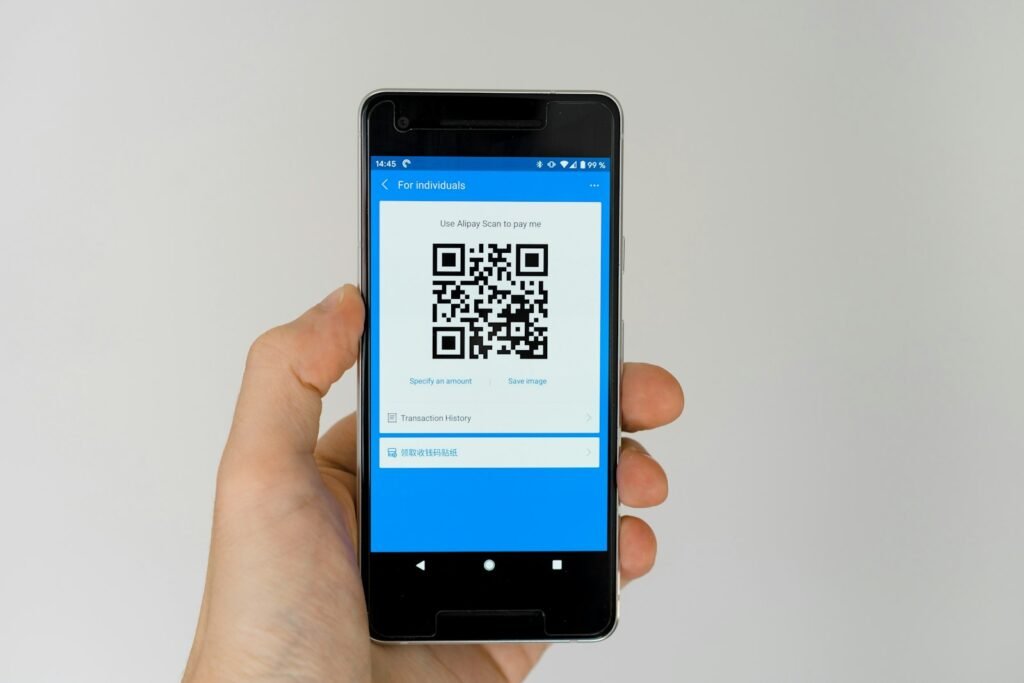
The Digital Product Passport (DPP) is a structured, machine-readable dataset linked to an individual toy (or batch/model) via a data carrier — typically a QR code printed on the product, its packaging, or an accompanying document. Scanning the code gives market surveillance authorities, customs officers, and (in part) consumers access to key compliance data.
What must the DPP contain?
The Regulation sets out the framework; implementing acts (expected 2026–2027) will specify exact data elements. Based on the legislative text and the Commission’s preparatory work, expect the following minimum dataset:
| Data category | Examples |
|---|---|
| Product identification | Unique product identifier, model name/number, TARIC code |
| Economic operator data | Manufacturer name & address, importer (if applicable), authorised representative |
| Conformity information | EU Declaration of Conformity (link or embedded), notified body number (if involved), applicable standards |
| Technical documentation | References to test reports, risk assessment summary, chemical composition overview |
| Safety & use information | Age grading, warnings, instructions in required languages |
| Traceability | Batch/serial number, manufacturing location, supply chain identifiers |
What the DPP is not
Not a public database
Certain data layers will be authority-only.
Not a CE replacement
CE marking remains mandatory.
Not optional
No DPP = no EU market access after July 2028.
Practical steps
- Audit your product data. Can you generate a structured dataset per SKU that covers all categories above? Most companies discover gaps in chemical composition records and supply-chain traceability.
- Choose a data carrier strategy. QR codes are the lowest-cost option, but ensure they resolve to a URL you control (not a marketplace product page).
- Prepare your IT infrastructure. The DPP endpoint must remain accessible for the lifetime of the product plus 10 years. Plan for hosting, uptime, and data format updates.
Part 2 — Chemicals: what is new and what has changed
Key area: endocrine disruptors now in scope
This is the single biggest chemical change. If your toys contain plasticisers, flame retardants, or UV stabilisers, pay close attention.
Endocrine disruptors (EDCs)
This is the most significant chemical expansion in the new Regulation. Under Directive 2009/48/EC, EDCs were not explicitly addressed. Regulation 2025/2509 now:
- Prohibits EDCs in toys at concentrations above the generic cut-off values (to be specified in delegated acts)
- Aligns with the criteria for EDC identification established under REACH and the Biocidal Products Regulation
- Allows the Commission to update restricted substances via delegated acts without a full legislative process — meaning the list can grow faster than before
Fragrances
The allowed fragrance list is significantly shortened. Several allergenic fragrances previously permitted in toys intended for children over 36 months are now restricted regardless of age. Manufacturers using scented materials (plastics, textiles, paints) should request updated SDS and allergen declarations from their suppliers.
Heavy metals and nitrosamines
Migration limits for specific heavy metals are lowered in line with the latest toxicological assessments. Nitrosamine and nitrosatable substance limits for elastomeric/rubber materials are tightened. Laboratories will need to update their EN 71-3 (migration) and EN 71-12 (nitrosamines) methods.
Impact on testing costs
Expanded analyte lists will increase the base cost (BC) of chemical testing suites. Using the LCAS™ framework:
- EN 71-9 (organic compounds) — expect BC increases of 15–25 % due to additional EDC screens
- EN 71-10/11 (migration of organic compounds) — similar increases
- EN 71-3 (migration of certain elements) — incremental increase for added analytes
Use the LCAS™ Calculator once updated base-cost presets are available to model the financial impact for your product range.
Expected base cost (BC) increase by test suite
Estimates based on expanded analyte lists. Actual BC will depend on laboratory and accreditation scope.
Part 3 — E-commerce: who is responsible for what?
New obligations for online marketplaces
Regulation 2025/2509, aligned with the General Product Safety Regulation (EU) 2023/988 (GPSR), creates a clear chain of responsibility for toys sold online:
| Actor | Key obligation |
|---|---|
| Manufacturer | Full compliance including DPP, DoC, CE marking, and technical file |
| Importer | Verify manufacturer’s compliance, ensure DPP and labelling are correct, act as the responsible person in the EU |
| Online marketplace | Verify that a responsible economic operator is identified for each listing; cooperate with authorities; remove non-compliant offers |
| Fulfilment service provider | Ensure products they handle have proper markings and documentation; not release non-compliant goods |
What this means for sellers
If you sell toys through Amazon, eBay, Allegro, or any other EU-facing marketplace, expect platforms to start requesting:
- Proof of a responsible economic operator within the EU
- DPP data carrier URL or image
- EU Declaration of Conformity reference
- Test report numbers and issuing laboratory details
Non-EU sellers without an EU-based authorised representative or importer will find it increasingly difficult to list toys on compliant marketplaces.
Selling on Amazon, eBay, or Allegro?
Contact your marketplace account manager now to confirm their timeline for requiring DPP data and responsible-operator verification in product listings.
Your readiness checklist
Regardless of your role in the supply chain, use this checklist to gauge your preparedness:
Regulatory mapping
Read the full text and identify which articles apply to your role
Chemical compliance
Screen materials against expanded EDC, fragrance, and heavy-metal restrictions
DPP infrastructure
System or vendor for generating, hosting, and maintaining Digital Product Passports
Labelling update
Labels, packaging, and online listings meet new information requirements
Laboratory capacity
Contact your test lab to discuss updated test scopes and lead times
Budget planning
Model the cost impact of expanded testing with the LCAS Calculator
Marketplace compliance
Confirm that platform partners are preparing for new requirements
Training
Ensure your compliance team understands the Directive-to-Regulation changes
The bottom line
Regulation 2025/2509 raises the bar across three critical dimensions: transparency (DPP), safety (chemicals), and accountability (e-commerce). Companies that start preparing now — auditing data, screening chemicals, and building DPP infrastructure — will avoid the bottleneck that inevitably forms as the July 2028 deadline approaches.
The LCAS Technical Committee is tracking the development of implementing and delegated acts under the new Regulation. We will update our EN 71 base-cost presets as soon as revised harmonised standards are published. Stay tuned.